Magdeburg Water Bridge
The Magdeburg Water Bridge in
Germany deserve special mention. Opened in October 2003 and part of the
Magdeburg crossing of waterways, it connects the Elbe-Havel Canal to the
Mittellandkanal, crossing over the Elbe River. At 918 meters, it’s the
longest navigable aqueduct in the world.

The
Elbe–Havel Canal and Mittelland Canal canals had previously met near
Magdeburg but on opposite sides of the Elbe, which was at a
significantly lower elevation than the two canals. Ships moving between
the two had to make a 12-kilometre detour, descending from the
Mittelland Canal through the Rothensee boat lift into the Elbe, then
sailing downstream on the river, before ascending to the Elbe-Havel
Canal through Niegripp lock. Low water levels in the Elbe often
prevented fully laden canal barges from making this crossing, requiring
time-consuming off-loading of cargo.
The reunification of
Germany and establishment of major water transport routes made the Water
Bridge a priority again. Work started in 1997, with construction taking
six years and costing €500 million. The water bridge now connects
Berlin’s inland harbour network with the ports along the Rhine river.
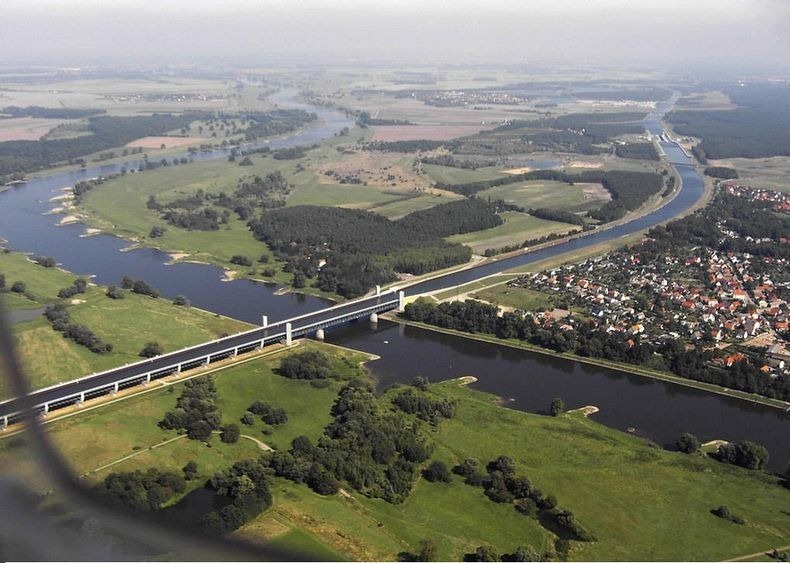


 Photo credit
Pontcysyllte Aqueduct
The
Pontcysyllte Aqueduct, in Wrexham County Borough in Britain, was built
between 1795 and 1805 to carry the Ellesmere Canal over the valley of
the River Dee to link the coal mines of Denbighshire to the national
canal system during the Industrial Revolution. It was one of the world's
greatest engineering achievements of the time. For more than 200 years,
it is the longest and highest aqueduct in Britain, and currently a
World Heritage Site.
The aqueduct is 307 meter long, 3.4 meter
wide and 1.60 meter deep, and forms a part of an 18 km long aqueduct
system. It consists of a cast iron trough supported 38 meter above the
river on iron arched ribs carried on nineteen hollow masonry piers. The
use of both cast and wrought iron in the aqueduct enabled the
construction of arches that were light and strong, producing an overall
effect that is both monumental and elegant.
The economic
influence of the canal for the region was considerable during the first
half of the 19th century, enabling the rapid development of coal
extraction, metal working, limestone quarries, and the production of
lime. The slate quarries of the Welsh mountains and agriculture also
benefited from the canal. Today, the canal no longer moves coal and
limestone cargoes, but is a popular spot for tourists. Since 1954 the
canal has been managed and maintained in a navigable condition by
British Waterways.
 Photo credit
 Photo credit
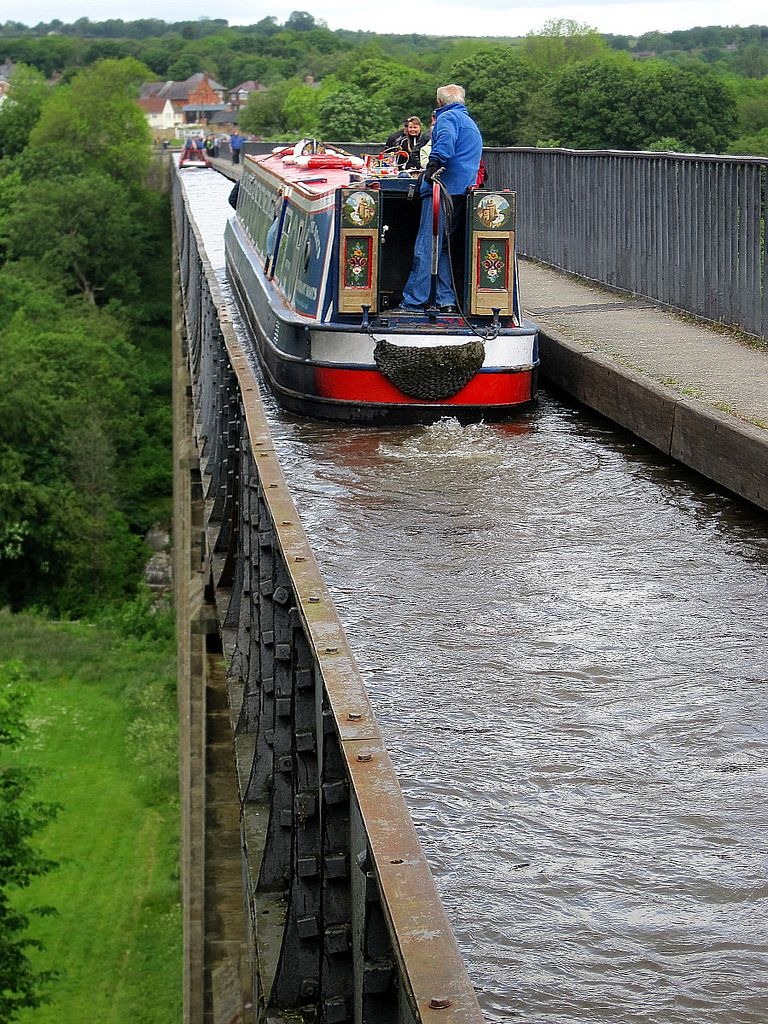 Photo credit
 Photo credit
 Photo credit
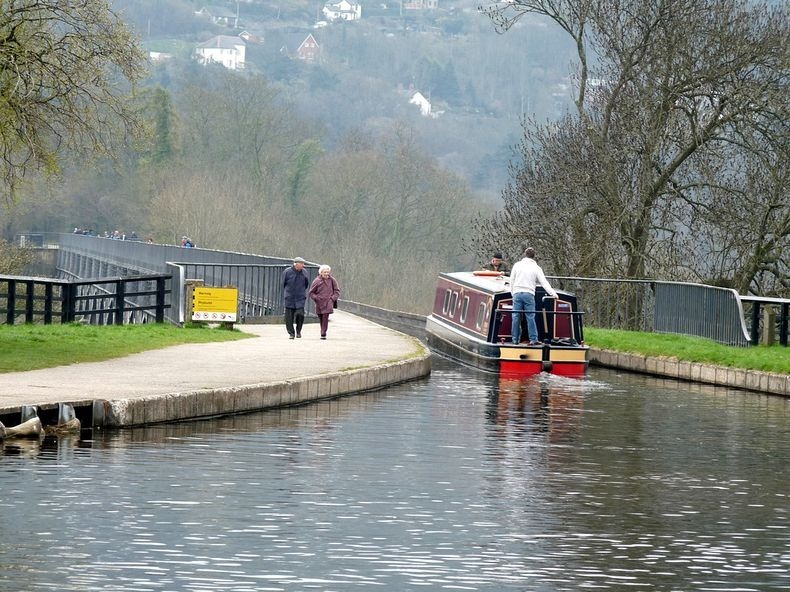 Photo credit
 Photo credit
 Photo credit
Barton Swing Aqueduct
The
Barton Swing Aqueduct is a moveable water bridge in Barton upon Irwell
in Greater Manchester, England, that carries the Bridgewater Canal
across the Manchester Ship Canal. The swinging action allows large
vessels using the Manchester Ship Canal to pass underneath and smaller
narrow boats to cross over the top. When large vessels need to pass
along the Ship Canal, the 1,450-tonne and 100 meter long iron trough is
rotated 90 degrees. A gate at each end of the trough retains around 800
tonnes of water; further gates on each bank retain water in their
adjacent stretches of canal. A similar swing bridge, but for road
traffic, lies adjacent to, and upstream of, the Barton Swing Aqueduct.
The
aqueduct, which is the first and only swing aqueduct in the world is
considered a major feat of Victorian civil engineering. Designed by Sir
Edward Leader Williams and built by Andrew Handyside of Derby, the swing
bridge opened in 1894 and remains in regular use.
Previously,
the aqueduct crossing over River Irwell was a rigid stone structure that
prevented new ships of larger dimension to pass underneath the bridge. A
swinging bridge became a necessity.
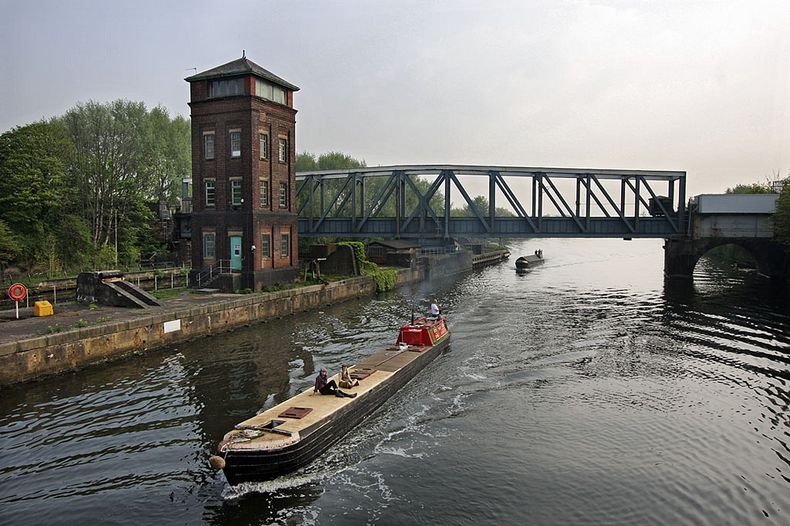 Photo credit
 Photo credit
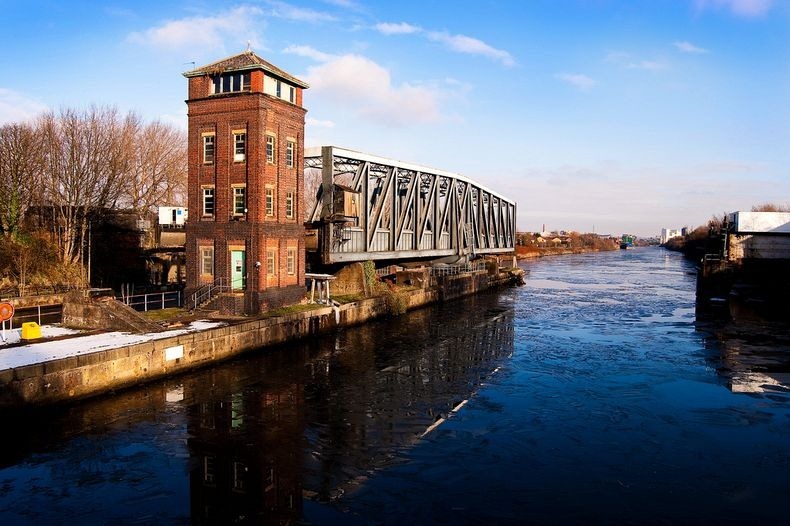 Photo credit
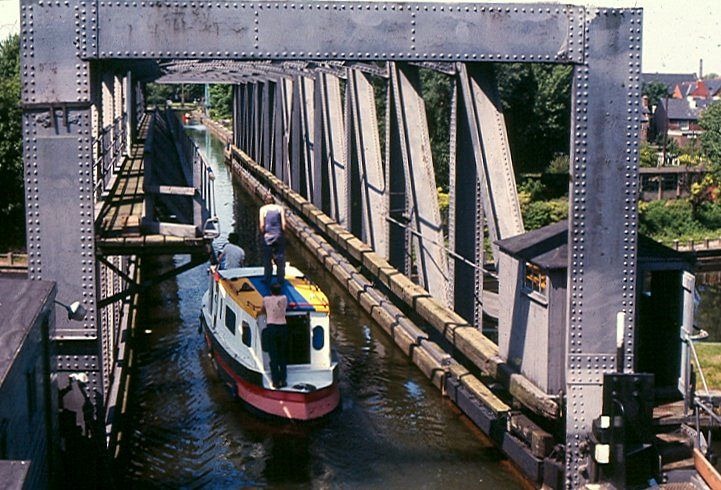 Photo credit
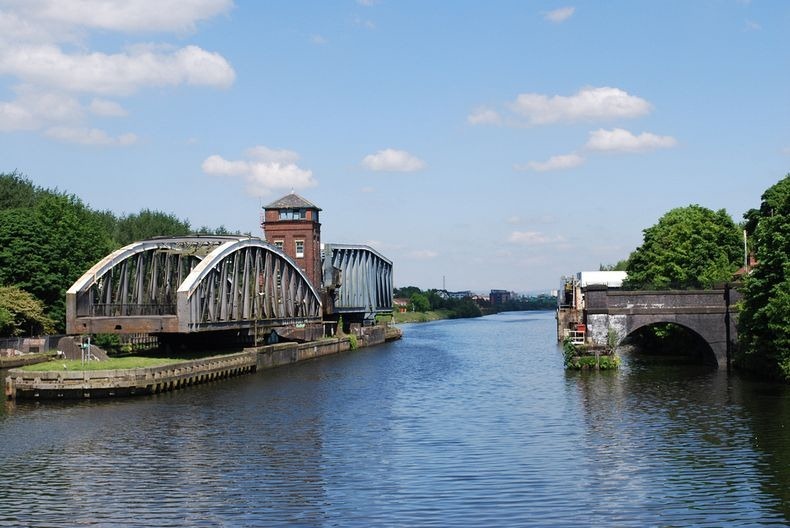 Photo credit

The
swing aqueduct (left) in the closed position, showing the Bridgewater
canal crossing over the Ship Canal; the Barton Road Swing Bridge is on
the right.
Photo credit
Other notable water bridges, not included in this Top3 list are the
Avon Aqueduct
- the longest and tallest canal aqueduct in Scotland and the
second-longest in the United Kingdom, after the Pontcysyllte Aqueduct,
and the
Briare Aqueduct – which was the longest
navigable aqueduct in the World until the opening of the Magdeburg Water
Bridge. If you are interested, look them up on Google. If you are
visiting the United Kingdom, spare a day to visit these remarkable
achievements in civil engineering.
http://www.amusingplanet.com/2012/09/3-most-impressive-water-bridges-around.html
 2. The town of Colmar in northeastern France.
 3. Lavender fields in Provence, France.
 4. The night sky over the Indian Ocean.
 5. Swiss capital Bern.
 6. Wisteria Gardens of Kawachi in Kitakyushu, Japan.
 7. Dawn at the memorial to veterans of the Vietnam War in the District of Columbia.
 8. Tunnel of love in Klevan, Ukraine.
 9. Wulong Karst landscape in China.
 10. Japanese forest.
 11.
11.  12. Ostantsevaya Shiprok Mountain in New Mexico.
 13. Washington, DC, during the cherry blossom festival.
 15. Region Landmannalaugar in Iceland.
 16. Japanese Garden in Portland.
 17. The waterfall near the town of Ogun in Kumamoto Prefecture, Japan.
 18. Forest in Colorado.

.bmp)
